Food Cravings Decoded: What They Mean with (or without) an Eating Disorder

- Although diet culture says food cravings are something to be managed or controlled, they’re in fact a normal part of being a human and are driven by mental, emotional, and physical factors. However, sometimes food cravings can point to serious issues, like eating disorders or disordered eating.
- With an active eating disorder, it’s common to have intense food cravings that are often a result of some type of restriction. Food cravings can manifest differently across eating disorder diagnoses.
- In recovery, food cravings can persist and sometimes even intensify, which can feel scary and confusing. With enough time in full recovery, they tend to settle down.
- Food cravings can be helpful tools, because they’re one of the body’s ways of communicating. There are expert-backed strategies to navigate food cravings, like approaching them with curiosity, eating consistently and adequately, and recognizing underlying emotions.
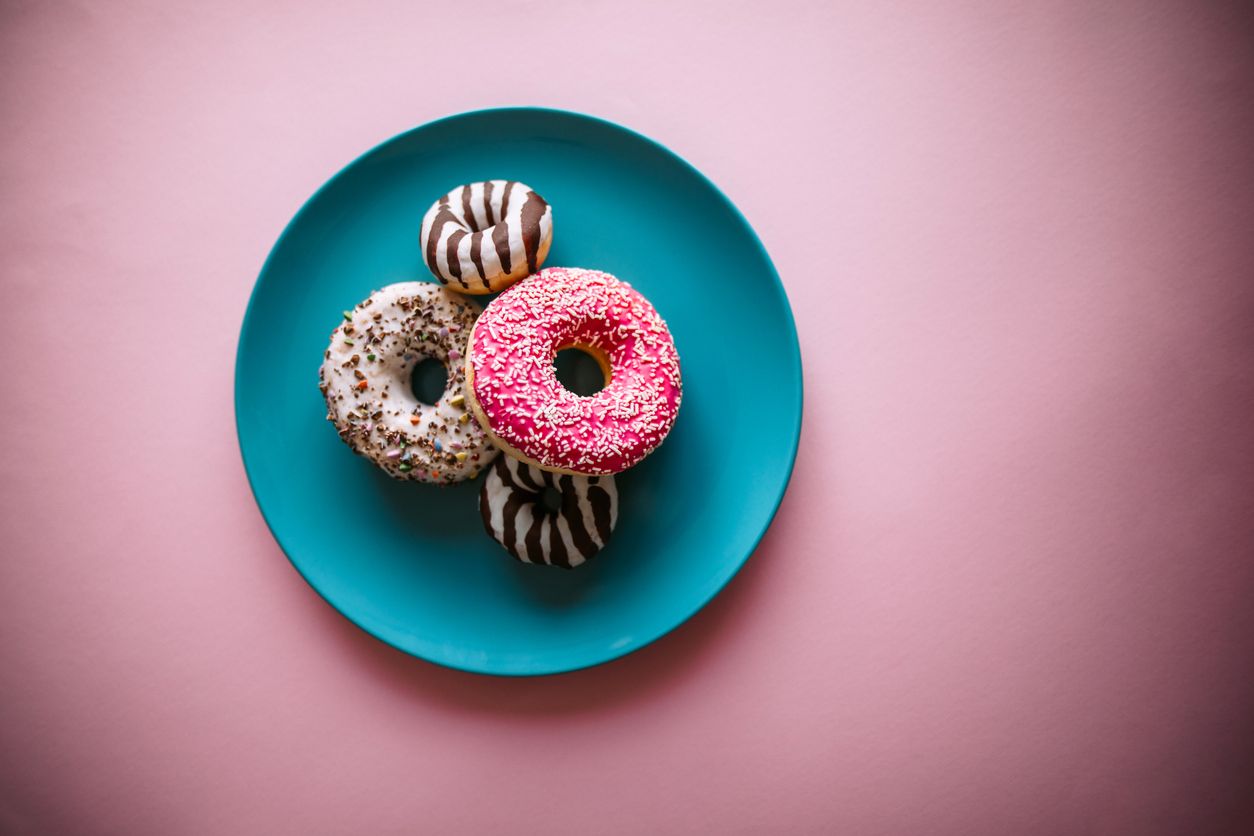
In a society shaped by diet culture, food cravings are typically cast in a negative light. They’re unfortunately seen as something to fear, to be controlled or removed entirely. However, there’s a different and more helpful way of viewing them, whether you have an eating disorder or not: food cravings are part of being human.
“Cravings are a normal part of the eating experience and not something that needs to be eliminated,” explains dietitian Amanda Crowe, MS, RD, INHC.
Unlike hunger, food cravings are not always related to your body’s biological food needs (but sometimes are, especially if you have an eating disorder) and can sometimes point to issues like unmet emotional needs, hormonal shifts, and medical conditions. Regardless of their source, Crowe says food cravings are important sources of information from your body, not something to fight against. Even if your food cravings are impacting your life negatively—which can be the case, especially if you have an eating disorder—they can still be your body’s way of sending helpful information and ultimately helping you on your path to healing.
Today, let’s define food cravings, look at the various types, and see how they show up in active eating disorders and recovery. Plus, we’ll look at when food cravings mean something’s wrong, and explore how to navigate them when recovering from an eating disorder.
What are food cravings?
Food cravings are defined as intense desires to eat a specific food and are driven by physiological, emotional, cognitive, and behavioral factors, according to a 2024 academic encyclopedia entry. This definition also specifies that people generally and most often crave energy-dense foods (i.e., foods that are high in fat and sugar).
“Food cravings are signals that the body or brain wants or sometimes needs a specific type of food,” explains dietitian Hilary Raciti MS, RDN, CDN. "A craving often shows up as a sense of ‘mouth hunger’ or a taste for something specific, but it can also feel more general, like wanting something salty, sweet, crunchy, or comforting [and] thoughts about certain foods may pop up randomly and stick around until the craving is satisfied.”
There are several different types of food cravings, each of which has a different cause and may need a different approach to satisfy.
“Normal” food cravings
If you’ve ever craved something sweet after a meal, psychotherapist Amanda Marks, LPC, RYT says to consider yourself human. “A ‘normal; craving is typically a result of being human and having basic cravings, [like] having dinner and then after dinner you realize you want something sweet, so you eat a cookie and are able to move on from that,” Marks explains. “There’s no sense of urgency related to ‘normal’ cravings.’”
Other examples of normal cravings include wanting ice cream on a hot day or wanting a warm, carb-heavy meal after being out in the cold.
It’s also important to call out that diet culture sometimes frames emotional food cravings as problematic, when, in fact, craving certain foods in response to emotions is also simply part of being human. Highly palatable foods (those high in fat, salt, and sugar) can activate your brain’s reward system, causing an increase in the neurotransmitter dopamine, and leading your brain to mark certain experiences as worthy of repetition. So, having a slice of cake when you’re feeling sad may temporarily boost your mood, and your brain may later link similar states with that experience, leading to future food cravings in similar scenarios. Emotional food cravings typically only become a problem if they’re your only source of coping.
Circumstantial food cravings
Many food cravings are products of circumstance. For example, you might notice cravings for specific foods, especially highly palatable foods, when you’re sleep deprived, jetlagged, or (for women) experiencing pre-menstrual syndrome (PMS). This is because in these scenarios, your hunger hormones (called ghrelin and leptin) are thrown off balance.
In fact, one 2025 study of female nursing students showed a connection between women with PMS—which most of the women experienced—and increased food cravings and hedonic hunger, or the desire to eat without physical hunger.
Cravings driven by restriction
When you don’t eat enough food, your body and brain do everything they can to make sure you eat soon so that you can survive. This includes increasing food desire and insistent thoughts of energy-dense foods. Your brain can also kick into this gear when you may be eating enough food, but are restricting certain types of food.
“Cravings driven by restriction often occur when foods are labeled as off-limits,’ [because] the more someone tries to avoid a food, the more attention and desire it can create,” Crowe says. “For example, avoiding foods like chips or sweets can lead to stronger cravings and feeling out of control around those foods later.”
Cravings that occur during the recovery process
Food cravings experienced during eating disorder recovery can have a similar intensity to the cravings caused by restriction. This is because most eating disorders involve restriction, and during recovery, your body and brain are healing and recalibrating.
“The body is rebuilding trust that food will be consistently available,” Raciti explains. “When someone begins eating more regularly after a period of restriction, appetite signals and cravings for specific foods, especially those previously restricted, can temporarily feel stronger.”
For example, you might have urgent cravings for pizza (a common fear food) after starting to re-incorporate it into your diet, and it may even feel out of control for a while.
What’s the relationship between cravings and eating disorders?
In a 2026 systematic review of studies about eating disorders and food cravings, authors found that food cravings play a central yet elusive role across eating disorder diagnoses. This is in part because there are major inconsistencies in how food cravings are defined in eating disorder research. What is clear is that food cravings in eating disorders are driven by several factors, and they share similarities and differences across diagnoses.
How food cravings show up with an active eating disorder
One 2024 study of people with eating disorders and without eating disorders showed that when participants with anorexia have positive emotions, they experience higher food cravings compared to the control group. Interestingly, the same study showed that when participants with binge eating disorder feel positive emotions, they tend to have lower food cravings compared to the control group.
However, all eating disorders usually include some kind of food restriction, so you’ll likely notice intense cravings and food preoccupation if you have an active eating disorder, regardless of diagnosis. This is because your body is not receiving regular nourishment, or adequate calories and nutrients, or because certain types of food are restricted.
According to Raciti, restrictive behaviors often lead to food cravings, which show up as:
- Obsessive food thoughts that make it hard to focus on other aspects of life
- Food fantasies or dreams
- Feeling out of control around and avoiding certain foods
- Watching or observing certain foods being prepared or eaten (but not eating)
Contrary to popular belief, binge behaviors are often driven (at least partially) by restriction. This then leads to specific food cravings and feeling out of control around those foods.
“For example, someone who has decided to go on a diet and not eat any chocolate could likely be able to do that for a period of time, but then the craving for chocolate could get so intense, the person binges on chocolate,” Marks explains.
Sometimes, binges are triggered by difficult emotional experiences. Food cravings are a maladaptive coping mechanism, because they can lead to a dopamine boost and temporary relief leading up to or while eating those foods, Raciti explains.
“However, when shame or guilt follows, which is often the case,” she adds, “it can reinforce the restrict–binge cycle and perpetuate the pattern.”
How food cravings show up in eating disorder recovery
Even if you’ve done, or or are doing, the work of recovery, food cravings can still feel abnormal and intense.
“This can often be confusing and overwhelming to someone early in recovery,” Marks says, “but it's important to recognize that it's normal and [often] a result of earlier restrictive behaviors.”
Food cravings may even become more noticeable at first since you’re learning to loosen food rules, according to Raciti.
“People may crave foods they previously avoided or feel unsure how to respond to reappearing hunger cues,” she says. “Over time, as eating becomes more consistent and varied, cravings often feel less intense and less emotionally charged.”
Eating disorder recovery doesn’t take food cravings away (remember, they’re part of being human), but it helps dial them down from what feels like a yell to a nudge.
When do cravings mean something is wrong?
Most of the time, food cravings don’t point to anything being wrong, but there are some scenarios in which they can indicate a problem, like disordered eating, an eating disorder, or a medical condition.
Here are some signs that food cravings may be a symptom of an eating disorder:
- Fulfilling food cravings is your only way to deal with hard emotions
- Food cravings feel obsessive, intense and all-consuming
- Cravings occur after long periods of restriction
- You are physically out of control around foods you crave
- You feel threatened or scared of your cravings
“It may be helpful to look more closely if cravings feel constant, overwhelming, or are paired with restrictive behaviors, guilt, or cycles of overeating,” Crowe says. “These patterns can be a sign that the body is not getting enough nourishment or that there may be a more complex relationship with food that could benefit from additional support.”
Additionally, cravings for non-food items (i.e. ice, dirt, chalk, and clay) often point to pica—an eating disorder where someone compulsively eats food without nutritional value or purpose. Pica is often associated with deficiencies of certain nutrients (like iron).
Finally, some food cravings point to serious medical issues. For example, strong sugar cravings (along with other symptoms like shakiness) can indicate hypoglycemia (low blood sugar). Regular and strong salt cravings (usually accompanied by other symptoms like exhaustion) can sometimes mean there’s a serious issue, like Addison’s Disease, (a rare disease resulting from hormone insufficiency), hyponatremia (low sodium), or dehydration.
Whether they feel physical, mental, or emotional, if you experience food cravings that impact your well-being, it’s best to see both a doctor and registered dietitian, and sometimes a therapist, too. Working with these professionals can ensure your medical stability, help you identify and understand what’s going on, and create a treatment plan to feel better.
How to navigate cravings during eating disorder recovery
It may feel disheartening if food cravings persist in recovery, especially if they get stronger at first. But remember, these cravings are a part of the healing process.
Here are some expert-backed ways to navigate food cravings in eating disorder recovery:
Keep yourself fed
Although it takes time and patience with yourself, your food cravings will normalize and become more flexible if you’re consistently eating enough food, striking a relative balance across food groups, and giving yourself full permission to eat.
“Eating regularly throughout the day, including balanced meals with carbohydrates, protein, and fat, can help reduce the intensity of cravings over time,” Crowe says. “It can also be helpful to include foods you enjoy in a mindful and satisfying way rather than repeatedly saying no, which can increase the likelihood of feeling out of control later.”
If you’re not already, it’s important to work with an eating disorder registered dietitian to help you meet your energy and nutrient needs and re-incorporate fear foods.
Neutralize cravings and honor them promptly
Since food cravings can feel overwhelming in recovery, Raciti suggests neutralization.
“For example, if peanut butter is a challenging craving, pair it with a neutral food, like an apple, celery, or cheese,” she says.
She also suggests acknowledging and honoring your food craving soon after it starts, so it doesn’t become difficult to navigate. In my eating disorder recovery, after I started allowing myself to eat cookies freely again, I would get uncomfortably strong cravings for them. It was only when I had them around regularly and ate one soon after a craving started that it became more manageable.
Take a curious and non-judgmental approach
Chances are high your eating disorder brain is quick to judge food cravings as bad or shameful experiences. So when you notice such judgmental thoughts, let them pass as best you can. And then, perhaps with the help of your therapist, let your healthy mind practice curiosity about your cravings.
“Cravings can actually be very helpful information during recovery,” Raciti explains. “If we frame cravings as messages from our body, rather than a lack of control or a continued battle with food, it’s amazing how enlightening they can actually be.”
When a craving begins, try asking yourself questions like:
- What might my body be trying to tell me?
- Where do I feel the craving in my body?
- Have I eaten within the last few hours?
- Am I craving something emotionally?
- Is the craving about a previous (or current) fear food?
- How does my eating disorder view my food craving, and how do I view it?
Consider that your food cravings might be an indicator of something deeper
In eating disorder recovery, you’re usually learning how to safely feel and express the full spectrum of human emotions, and food cravings can help the process. Oftentimes, food cravings can symbolize emotional needs, but only if you’re adequately nourished.
“It's important to be able to identify what emotional needs we have and if we are really craving that particular food or what that food may represent,” Marks says. “If someone finds themself often cravings sweet foods, that could be an indication that an emotional need is not being met, such as comfort.”
So, if you’ve eaten adequate meals and snacks without rigid rules, you’re not physically hungry, and you have a strong food craving, ask yourself questions like,
- What might this food represent for me emotionally?
- How has today or the last 24 hours been?
- What do I need in this moment?
It’s okay to use food as one emotional tool if it’s used alongside other coping skills that help you process your feelings and fulfill the true emotional hunger.
Like all parts of eating disorder recovery, navigating food cravings takes time and patience, along with a commitment to full recovery. “If you limit yourself or fall into a pseudo-recovery, these strong, daunting messages may remain because the body feels it needs the alarm system,” Raciti explains.
Remember, your food cravings can be a powerful source of emotional healing, and with regular, adequate, balanced, and unrestrictive eating, they will eventually feel more normal and manageable. “Over time, many people find that cravings feel less urgent and more like gentle preferences,” Raciti adds.
If you’re feeling overwhelmed and need personalized help navigating your food cravings, work with a registered dietitian and therapist to help you make peace with them.
Meule, A. (2024). Food craving. https://doi.org/10.31234/osf.io/up6c8
Cravings • The Nutrition Source. (2021, April 27). The Nutrition Source - Harvard Chan School. https://nutritionsource.hsph.harvard.edu/cravings/?
Kocyigit, E., Gumusay, M., & Demirel Ozbek, Y. (2025). Hedonic hunger and food cravings: understanding their role in premenstrual syndrome among nursing students. Frontiers in Public Health, 13. https://doi.org/10.3389/fpubh.2025.1659974
Cornil, A., Lakritz, C., Iceta, S., & Flaudias, V. (2025). Craving in eating disorders: Mapping the concept through a systematic review. Neuroscience & Biobehavioral Reviews, 181, 106515. https://doi.org/10.1016/j.neubiorev.2025.106515
Arend, A.-K., Jens Blechert, Yanagida, T., Ulrich Voderholzer, & Reichenberger, J. (2024). Emotional food craving across the eating disorder spectrum: an ecological momentary assessment study. Eating and Weight Disorders - Studies on Anorexia Bulimia and Obesity, 29(1). https://doi.org/10.1007/s40519-024-01690-4
Mayo Clinic . (2024, December 21). Addison’s Disease - Symptoms and Causes. Mayo Clinic; Mayo Clinic. https://www.mayoclinic.org/diseases-conditions/addisons-disease/symptoms-causes/syc-20350293